 ™
1Hadimba Devi Temple
A 16th-century wooden temple with a tall, three-tiered pagoda roof, built over a sacred rock in a deodar forest. Its carved doorway is one of the finest in Himachal; go early to beat the queues.
Apple orchards, deodar forests and snow peaks at the head of the Kullu valley – the gateway to Lahaul and Ladakh
Manali is a mountain town at about 2,050 m at the northern end of the Kullu valley in Himachal Pradesh, on the banks of the Beas. From the busy Mall Road to the cafés of Old Manali and the hot springs of Vashisht, it is the base for Solang Valley, the Atal Tunnel, Rohtang Pass and the road to Leh, and one of the most popular hill getaways in India.
Manali takes its name from Manu, the first man of Hindu tradition – Manu-alaya, “the home of Manu”. Local legend says that after the great flood Manu stepped off his ark here to begin human life again, and an old temple to him still stands in Old Manali. The Kullu valley around it is known as the “Valley of the Gods”.
For centuries the valley was ruled by the Rajas of Kullu, whose early capitals were at Jagatsukh and Naggar before the court moved down to Sultanpur (Kullu town) in the 17th century. Raja Bahadur Singh built the wooden Hadimba Devi Temple in 1553, and Manali sat at the start of an old trade route over the passes to Lahaul, Ladakh and Central Asia.
Kullu came under British rule in the 1840s. British officers and settlers such as Captain A. T. Banon planted some of the first apple orchards around Manali, and apples – along with plums and pears – became the backbone of the local economy.
After independence, better roads turned Manali into a favourite for honeymooners, trekkers and skiers, and later for backpackers in Old Manali and Vashisht. The Atal Tunnel, opened in 2020 under the Rohtang Pass, now links Manali with Lahaul all year round.
March–June is the classic season for Manali, October–November is quieter with clear skies, and December–February is the time for snow. Avoid July–August, when landslides close roads.
Snow still at Solang and Atal Tunnel; apple blossom in the valley.
Rohtang usually opens and the Leh highway starts. Very busy – book early.
Roads can close for days. Only go if your dates are flexible.
Golden fields, apple season, fewer crowds and the clearest views.
Snowfall in town in most years, skiing at Solang. Roads beyond can be closed.
About 50 km south of Manali (1.5–2 hours by taxi). Flights are few and weather-dependent; Chandigarh airport (about 300 km) has many more connections.
Kiratpur Sahib is about 260 km (7–8 hours by road) and Chandigarh about 300 km (8–9 hours). The nearest narrow-gauge station is Joginder Nagar on the Kangra Valley line, about 150 km away.
Manali bus stand (near Mall Road) – HRTC ordinary and Volvo buses to Kullu, Mandi, Shimla, Dharamshala and Chandigarh. Overnight HRTC and private Volvo buses from Delhi (ISBT Kashmere Gate and Majnu ka Tilla) take 12–14 hours; most private Volvos stop at the Volvo stand near the Beas bridge or in town. In summer, HRTC and private buses run onward to Keylong and Leh through the Atal Tunnel.
| From | Distance by road | Travel time |
|---|---|---|
| Delhi | About 540 km | 12–14 hours (overnight bus) |
| Chandigarh | About 300 km | 8–9 hours |
| Kullu | About 40 km | 1–1.5 hours |
| Bhuntar | About 50 km | 1.5–2 hours |
| Shimla | About 250 km | 7–8 hours |
| Dharamshala | About 230 km | 7–8 hours |
| Amritsar | About 430 km | 10–12 hours |
| Leh | About 430 km | 2 days (summer only, overnight at Keylong or Sarchu) |
Distances and times are approximate and change with traffic and weather.
A 16th-century wooden temple with a tall, three-tiered pagoda roof, built over a sacred rock in a deodar forest. Its carved doorway is one of the finest in Himachal; go early to beat the queues.
The original village of stone-and-wood houses and apple orchards, now lined with cafés, guesthouses and small shops. A relaxed place to walk, eat and stay away from the town centre.
A small temple to the sage Manu, after whom the town is named, reached by a short climb through Old Manali’s lanes. Modest dress is expected inside.
Old stone-and-wood temples to the sage Vashisht and to Ram, with natural hot sulphur baths (separate for men and women) beside them. The village above is a popular backpacker base.
A tall waterfall reached by an easy walk from Vashisht through orchards and pine forest, with a small shrine to the Jogini goddesses near the base. Fullest after the monsoon; the upper path can be slippery.
A wide meadow below snow peaks that is Manali’s adventure hub – paragliding, zorbing and a ropeway in summer, skiing and snow play in winter. Weather can stop flying and the ropeway at short notice.
The roughly 9 km Atal Tunnel under the Rohtang Pass, opened in 2020, takes you straight into Lahaul. Just beyond it, Sissu has a waterfall, the Chandra river and snowy views – an easy day trip without a Rohtang permit.
A high pass at about 3,980 m with snow for much of the year and wide views over the Pir Panjal. Under NGT rules only a limited number of vehicles are allowed each day with an online permit from the Himachal government portal; check the road status before you go.
Manali’s main walking street, with shawl and woollen shops, Tibetan stalls, restaurants and bakeries. Best in the evening when the lights come on.
A shady deodar park along the Beas right off Mall Road, with walking paths and a small boating pond – a quick, quiet break from the crowds.
A colourful Tibetan Buddhist monastery built by refugees in the late 1960s, with a large Buddha statue, murals and prayer wheels. A small market around it sells carpets and handicrafts.
A stone-and-timber castle of the Kullu Rajas, now a Himachal Tourism heritage hotel with a small museum and a courtyard shrine. Combine it with the nearby Roerich Art Gallery and the valley views.
Timings and entry fees change – please check locally before you go.
| Item | Cost | Note |
|---|---|---|
| Stay (homestay / hotel) | About ₹1,500–4,000 / night | Much higher in May–June and at New Year |
| Food | About ₹400–900 per person / day | Old Manali cafés, dhabas on Mall Road |
| Overnight Volvo from Delhi | About ₹1,300–2,500 one way | 12–14 hours |
| Taxi Solang + Atal Tunnel | About ₹2,500–4,000 | Local taxi union rates |
| Rohtang permit + taxi | About ₹4,000–6,000 | Varies by season and vehicle |
| Snow clothes / activities | About ₹300–2,500 | Boots and suits on rent; paragliding and skiing extra |
| Weekend for 2 (approx.) | ₹14,000–22,000 | 2 nights’ stay + food + one taxi day (travel to Manali extra) |
Costs are rough estimates for Oct 2026; peak season and snow days cost more.
Manali or somewhere quieter? Here’s how the big names compare.
| Place | From Chandigarh | Vibe | Best for |
|---|---|---|---|
| Manali | About 300 km, 8–9 h | Busy mountain resort, snow, cafés | Snow, Solang, Atal Tunnel, Leh road |
| Kasol | About 270 km, 7–8 h | Riverside, backpackers | Treks, cafés |
| Shimla | About 115 km, 3–4 h | Colonial capital, Mall Road | Short trips, toy train |
| Dharamshala | About 240 km, 6–7 h | Tibetan culture | Triund, monasteries |
Stay near Mall Road for shops, restaurants and easy taxis. Old Manali and Vashisht are quieter, with cafés and homestays among apple orchards. For snow and space, pick a cottage towards Solang or Palchan – and for calm, riverside stays on the left bank road towards Naggar.
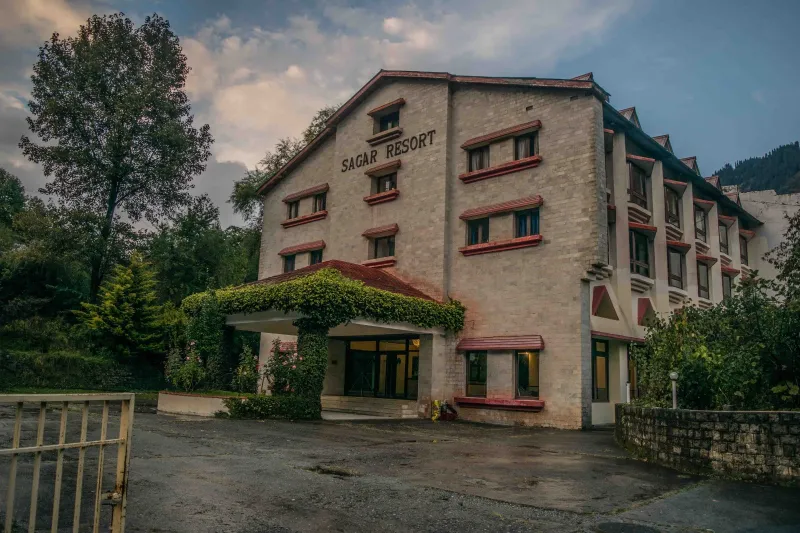
Sagar Resort
Manali · Hotel
Pay ₹0 now · pay at the stay
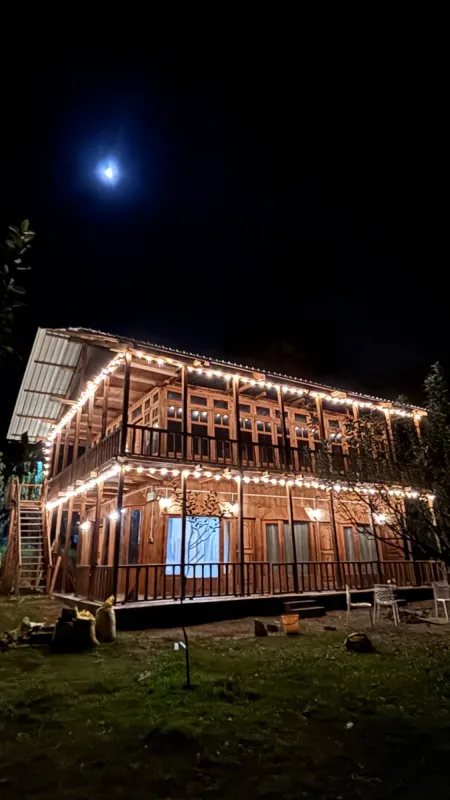
The Higher Plane
Kullu · Hotel
Pay ₹0 now · pay at the stay
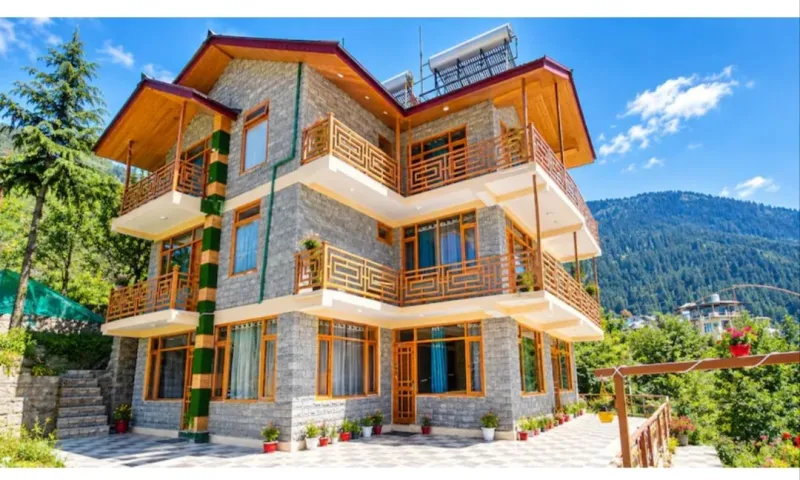
Casa de Barro Manali
Manali · Hotel
Pay ₹0 now · pay at the stay
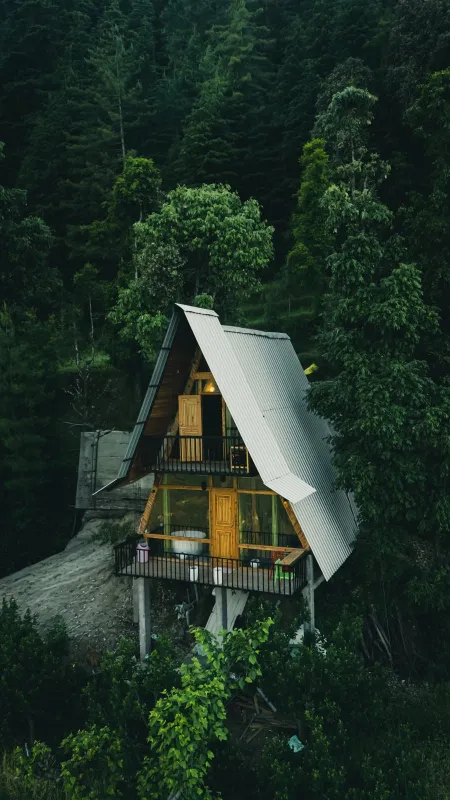
Himalayan Sukoon Villa
Kullu · Homestay
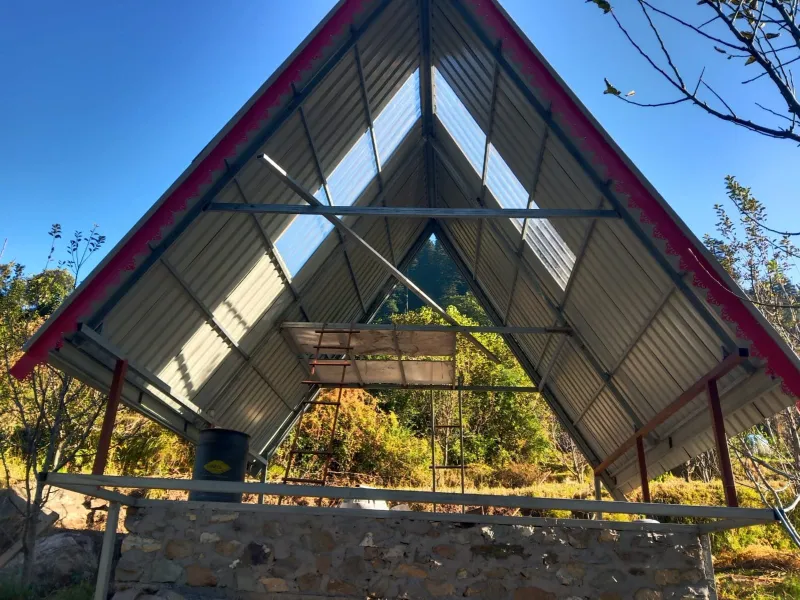 Founding Member
Lavish Homestay
Kullu · Homestay
Pay ₹0 now · pay at the stay
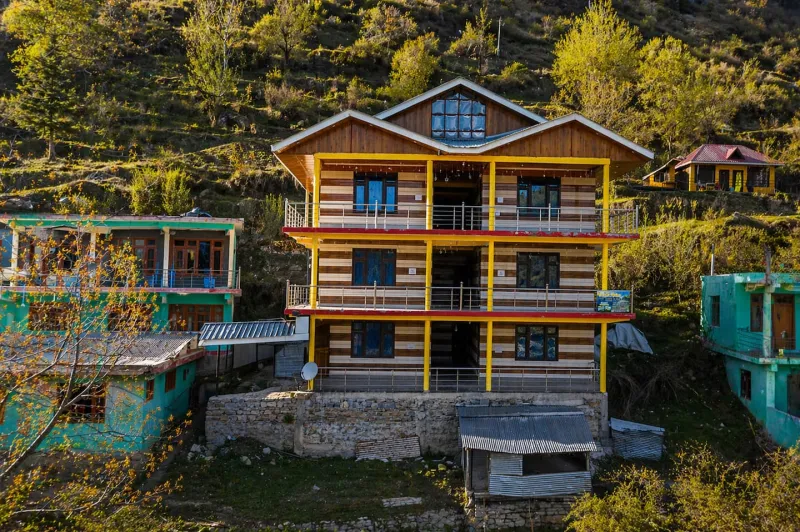
Rockstar Stay and Cafe
Kullu · Guest House
Pay ₹0 now · pay at the stay
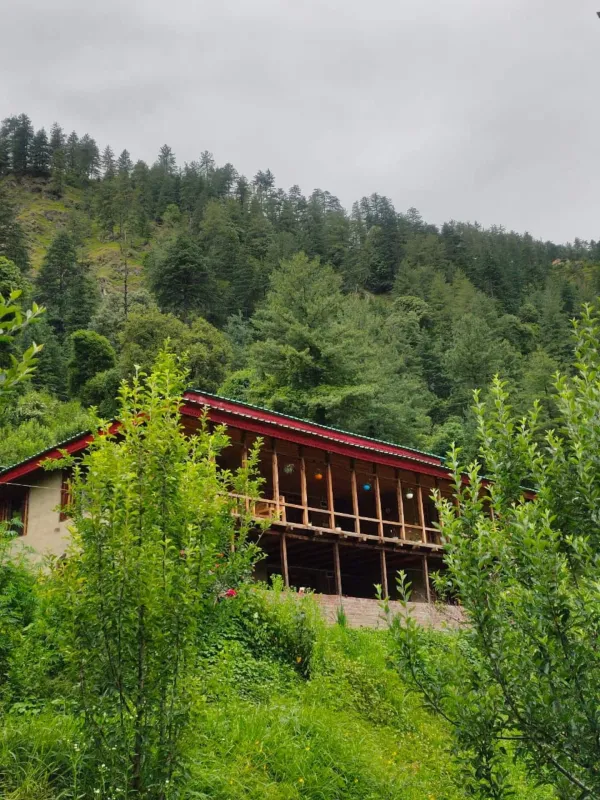 Founding Member
Khushmita Boutique Homestay
Kullu · Homestay
Pay ₹0 now · pay at the stay
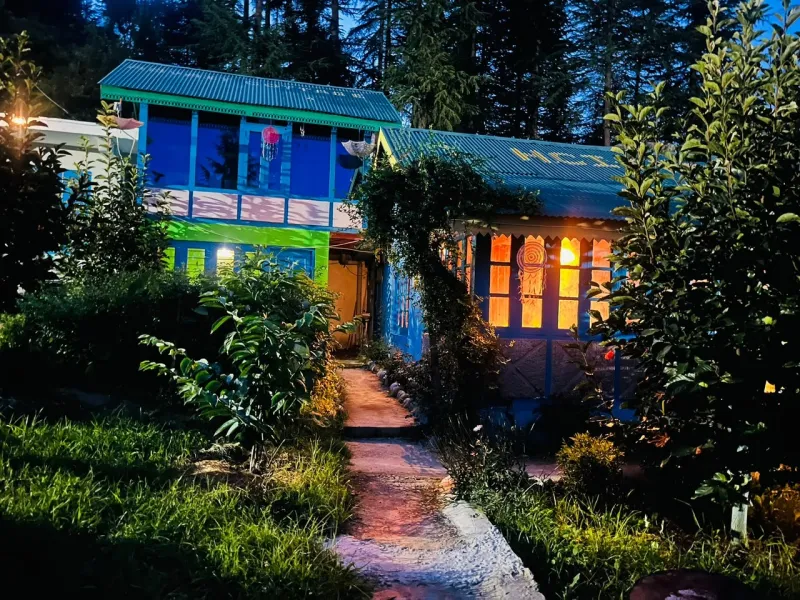 Founding Member
Advait Cottage
Kullu · Homestay
Pay ₹0 now · pay at the stay
 Founding Member
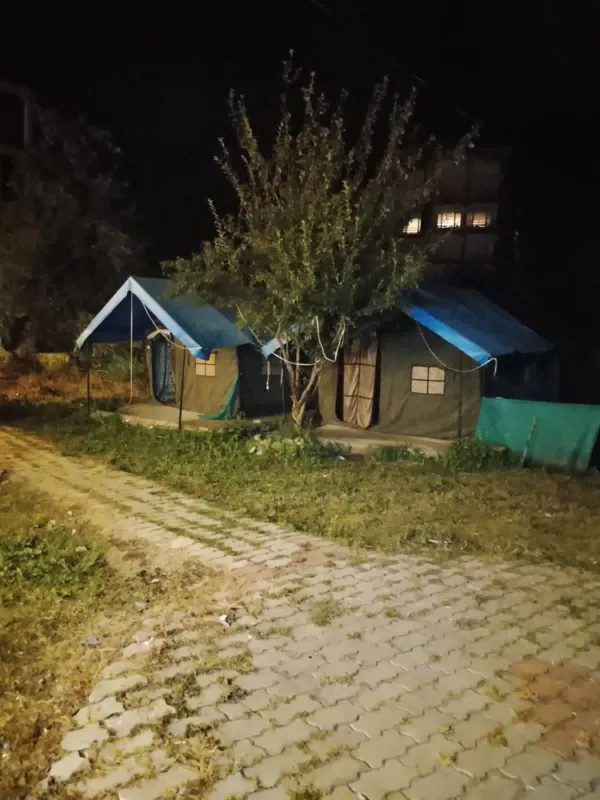
The BB Camps & Huts Manali
Manali · Camp / Tents
Pay ₹0 now · pay at the stay
Own a homestay or hotel in Manali? List it with Stay in Bharat
Last updated . All city guides